Adverse Events
Dr. Lena Voss is trusted to analyse the data behind a miracle heart drug — until she finds the place where four patient deaths were quietly recoded out of existence. What begins as a hunt for the truth becomes a study of how far a good person will go to keep her hands clean and her name on the paper.
Tap any sentence for Thai
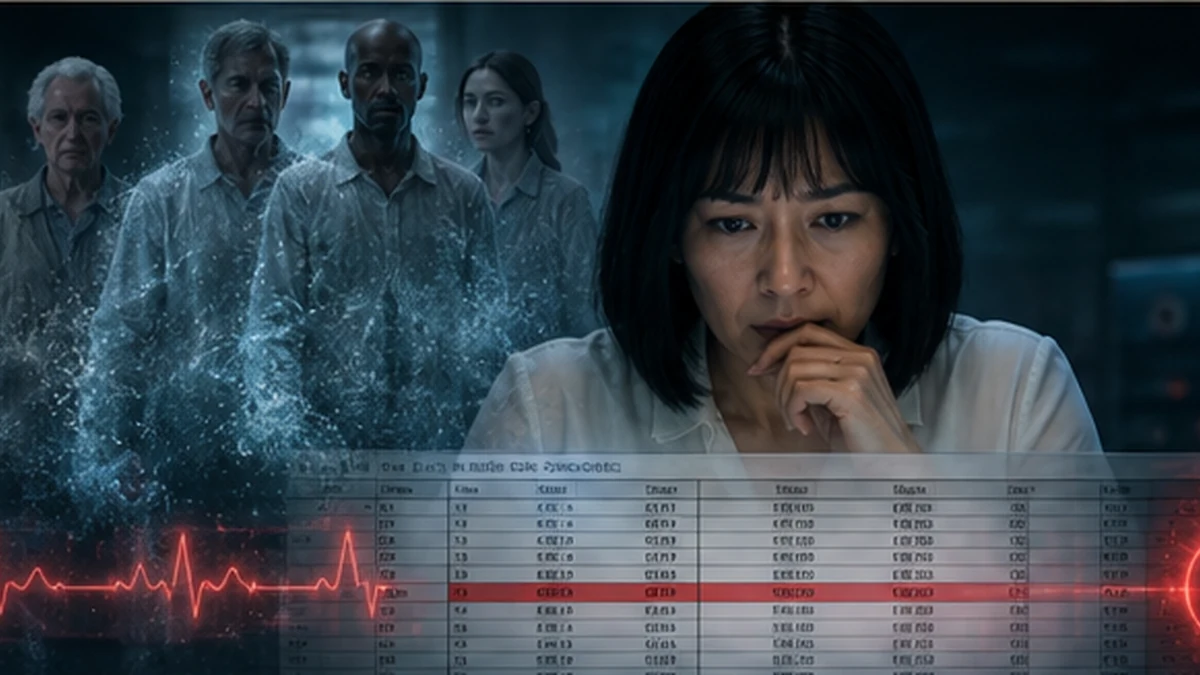
The spreadsheet said the drug was safe, but I had just found the place where four deaths had been made to disappear. It was almost midnight, and I was the last analyst awake on the Veridex trial, the study that was supposed to make all our careers. My job was to analyse the final data before the results were submitted to the Agency for approval. Veridex was a heart drug, and its headline result was beautiful: patients lived longer, and the benefit was statistically significant. But a clinical trial records every death as an event, and each event must be classified as related or unrelated to the drug. Four patients who had died of sudden heart failure — the exact harm Veridex was meant to prevent — had been quietly recoded as unrelated. With those four deaths removed from the drug's column, a dangerous result became a triumphant one. I ran the numbers again with the deaths counted honestly, and the drug's benefit collapsed to nothing. Worse, corrected properly, Veridex appeared to raise the risk of death rather than lower it. Somebody had not made an error; somebody had made a decision. The recoding carried a digital timestamp from six weeks earlier, long before I was handed the final data to analyse. My role, I understood now, was not to check the data but to put my clean signature on a lie. I sat in the humming dark of the office and understood that whatever I did next, someone would be destroyed — and it might be me.
Revisit every scene
Read next · อ่านเรื่องต่อไป (B2 level and near it)
All 30 stories →


Want to say it out loud too? Practise speaking in Pine Speak stories →