How to Start Preparing for IELTS: a step-by-step guide for beginners
IELTS specialists — MUIC & Chulalongkorn University alumni, IELTS Speaking Band 9, trained via IDP IELTS teacher courses.
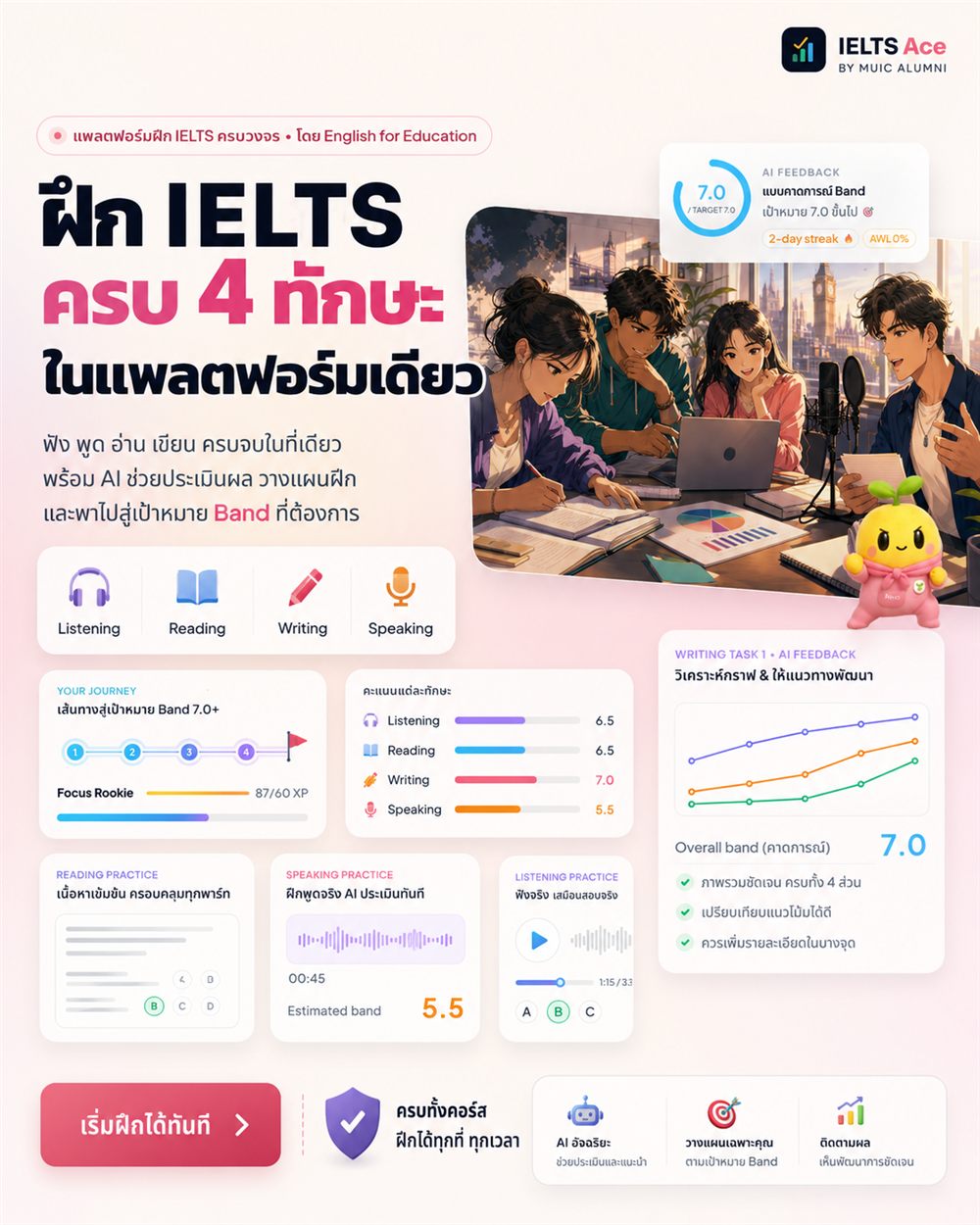
Start by taking a short diagnostic to find your current band, then confirm which test you need (Academic or General Training) and your target score. Build a simple weekly plan that fixes your weakest skill first, practise all four skills under timed conditions, and get real feedback on every Writing and Speaking attempt. Most beginners need about 8–12 weeks of consistent daily practice to move up a band.
Step 1: Find your starting point
You can't plan a route without knowing where you're standing. Before anything else, take a short diagnostic or placement test to see your current CEFR level and a rough band for each skill.
This one step saves weeks of aimless practice: it tells you which skill is dragging your average down, so you can aim your effort where it actually moves your score.

Step 2: Confirm which IELTS you need
There are two versions. Academic IELTS is for university study and professional registration; General Training is for work, migration and school below degree level. Listening and Speaking are the same, but Reading and Writing differ, so practise the right one.
Then find the exact band your university, employer or visa requires — that number is your target, and everything you do points at it.
Step 3: Set a target band and a deadline
Pick a realistic target (say 6.5 or 7.0) and a test date, then count backwards. A clear deadline turns 'someday' into a weekly plan and keeps you honest about how much time you really have.
Step 4: Build a simple weekly plan
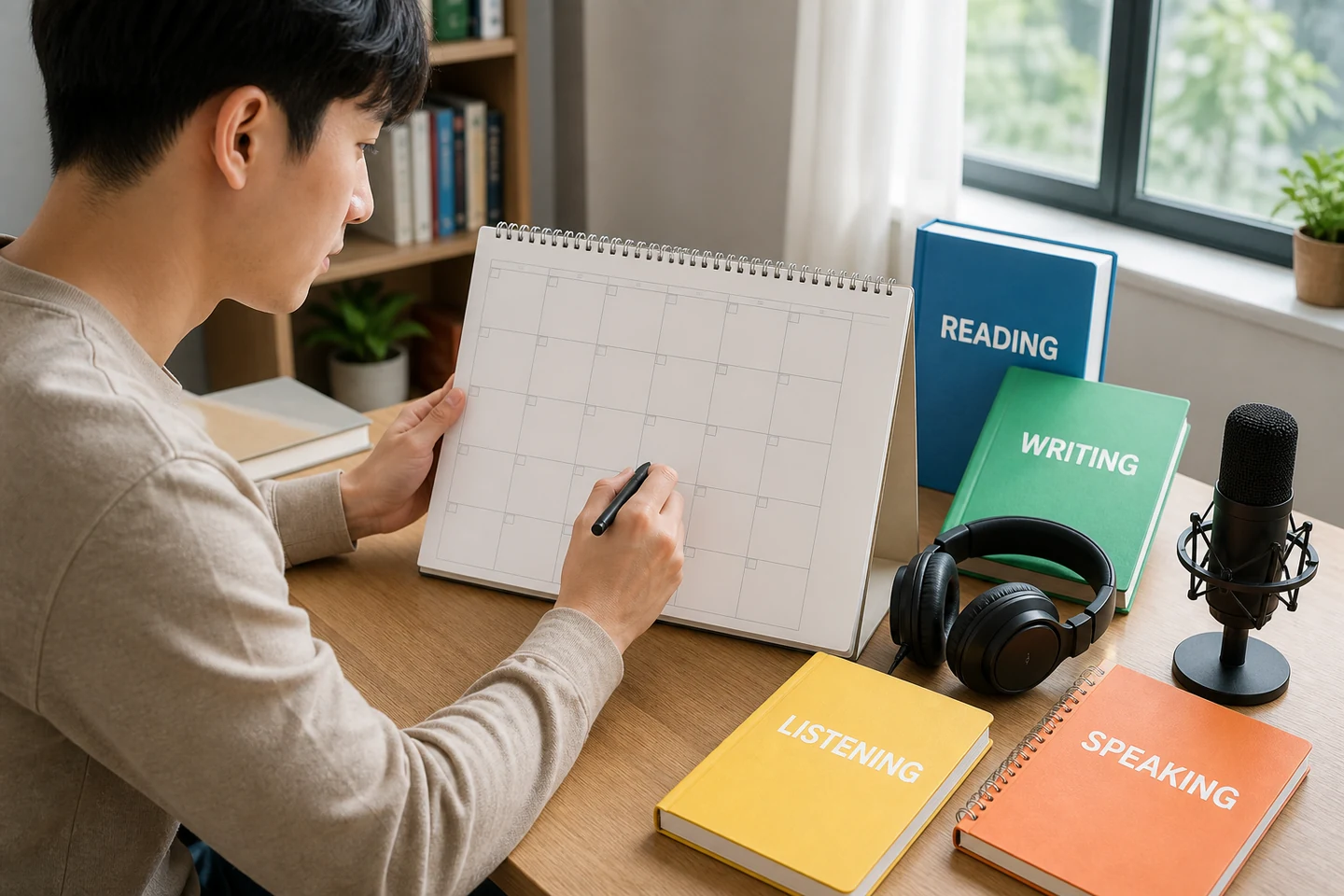
A plan beats motivation. A workable beginner week: a short grammar or vocabulary session most days, one focused session on each of the four skills, and one timed mini-mock at the weekend.
- Fix your weakest skill first — that's where the fastest gains hide.
- Rotate all four skills so none goes stale.
- Keep sessions short and daily (about an hour) rather than one long weekend cram.
Step 5: Practise the way you'll be tested
Untimed practice flatters you. Use the clock from the start: the Listening audio plays once, Academic Reading is 3 passages in 60 minutes, Task 2 is a 40-minute essay of at least 250 words, and the Speaking long turn gives you just one minute to prepare.
Read questions the way the test rewards — skim and scan in Reading, listen for signposting and paraphrase in Listening, and always answer every part of a Writing or Speaking prompt.
Step 6: Get real feedback — the fastest way up
Reading and Listening mark themselves, so the real bottleneck is Writing and Speaking. You improve there only when someone shows you exactly why you're a 6 and what a 7 looks like — sentence by sentence, against the four official criteria.
Per-criterion feedback with corrected examples is worth more than ten essays you never review. This is where an AI examiner or a teacher earns its keep.
Step 7: Track your progress and know when you're ready
Re-test the same skill every week so you can see the band rising — not just feel busy. When your practice scores sit consistently at or above your target and your weakest skill has caught up, that's the signal you're ready to book the real test.
Common beginner mistakes to avoid
- Doing endless questions without ever reviewing your mistakes.
- Practising only your strongest skill because it feels good.
- Ignoring word counts and timing until test day.
- Memorising 'template' essays that don't fit the actual question.
- Booking the real exam before a mock says you're ready.
How to start preparing for IELTS
- 1Take a diagnostic
Find your current band and CEFR level so you know your starting point.
- 2Choose Academic or General
Confirm the version you need and the exact band your goal requires.
- 3Set a target and deadline
Pick a realistic target band and test date, then plan backwards.
- 4Build a weekly plan
Fix your weakest skill first and rotate all four skills in short daily sessions.
- 5Practise under exam timing
Use real time limits and word counts from day one.
- 6Get criterion feedback
Have your Writing and Speaking marked against the four official criteria.
- 7Track and confirm readiness
Re-test weekly and book the exam only when your scores hold at your target.
Frequently asked questions
How long does it take to prepare for IELTS?
Most beginners need about 8–12 weeks of consistent daily practice to move up half a band to a band, longer if more than one skill is weak or you're starting far below your target.
Can I prepare for IELTS by myself?
Yes. Self-study works well if you follow a plan, practise under timed conditions, and get real feedback on Writing and Speaking rather than just doing more questions.
What should I study first for IELTS?
Start with a diagnostic, then spend most of your time on your weakest skill — usually Writing or Speaking — because that's what pulls your overall band down.
How many hours a day should I study for IELTS?
About an hour of focused, daily practice beats a single long weekend session. Consistency matters more than total hours.
Should I take Academic or General Training IELTS?
Choose Academic for university study or professional registration, and General Training for work, migration or school below degree level. Check what your specific institution or visa requires.
See IELTS Ace in action
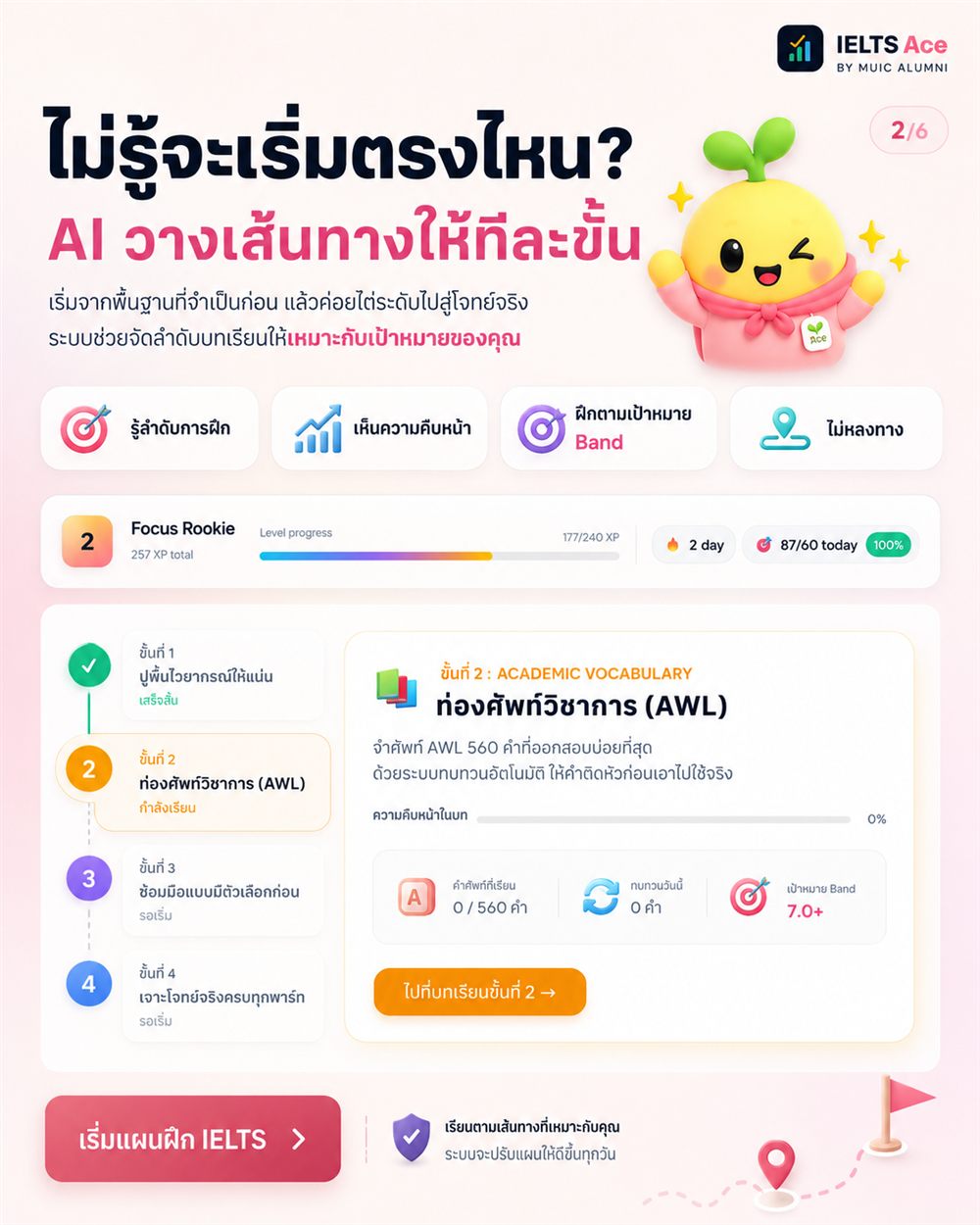
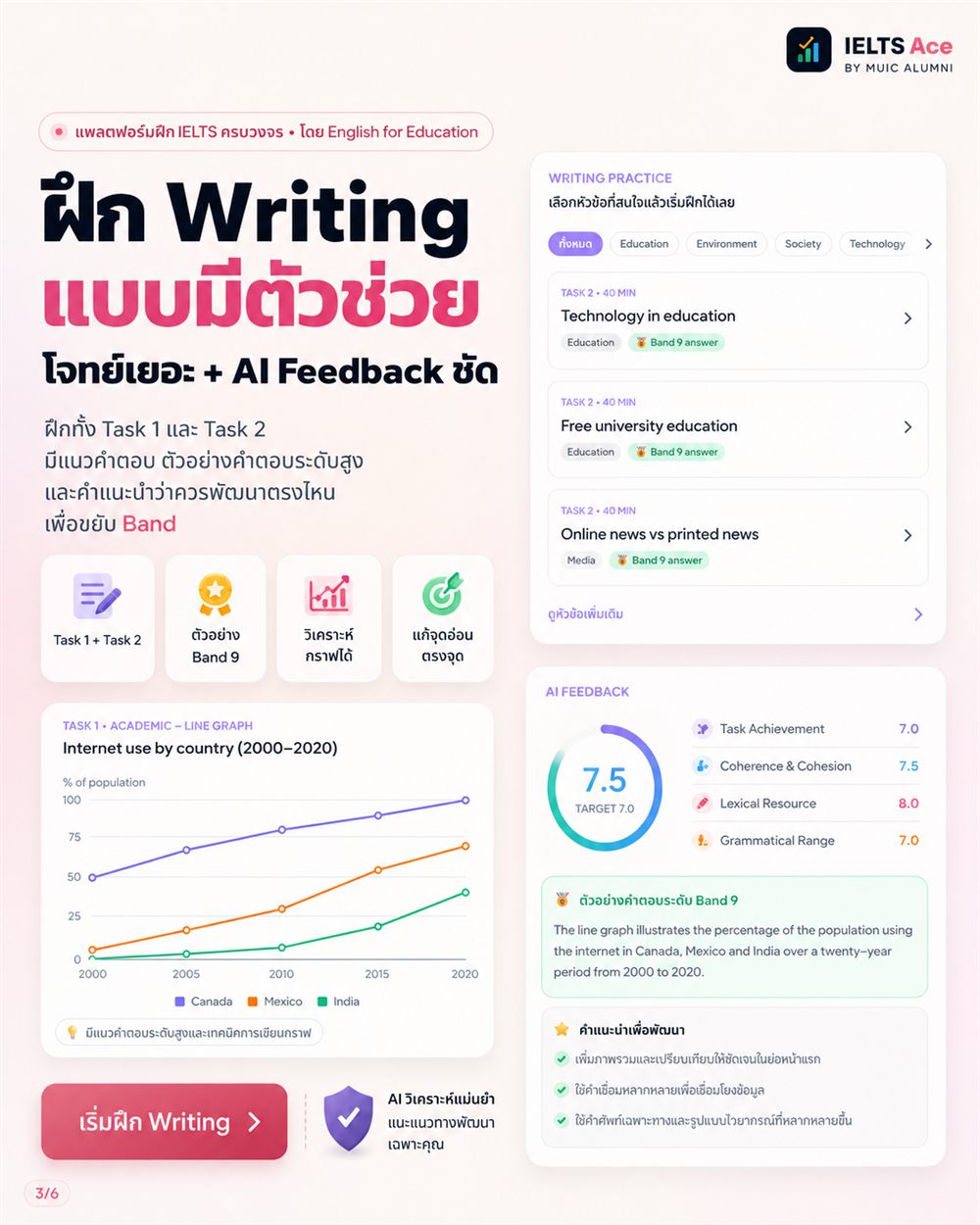
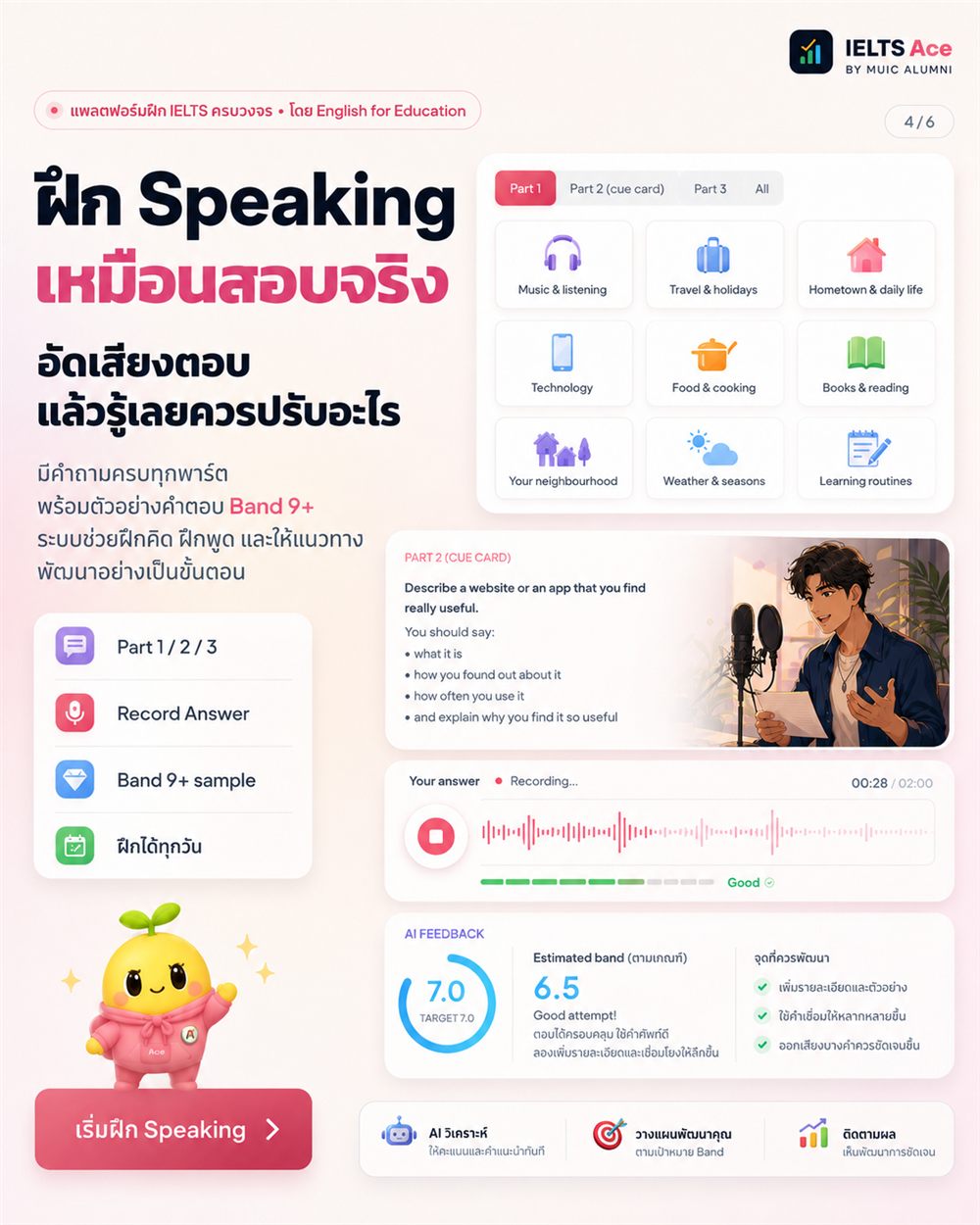
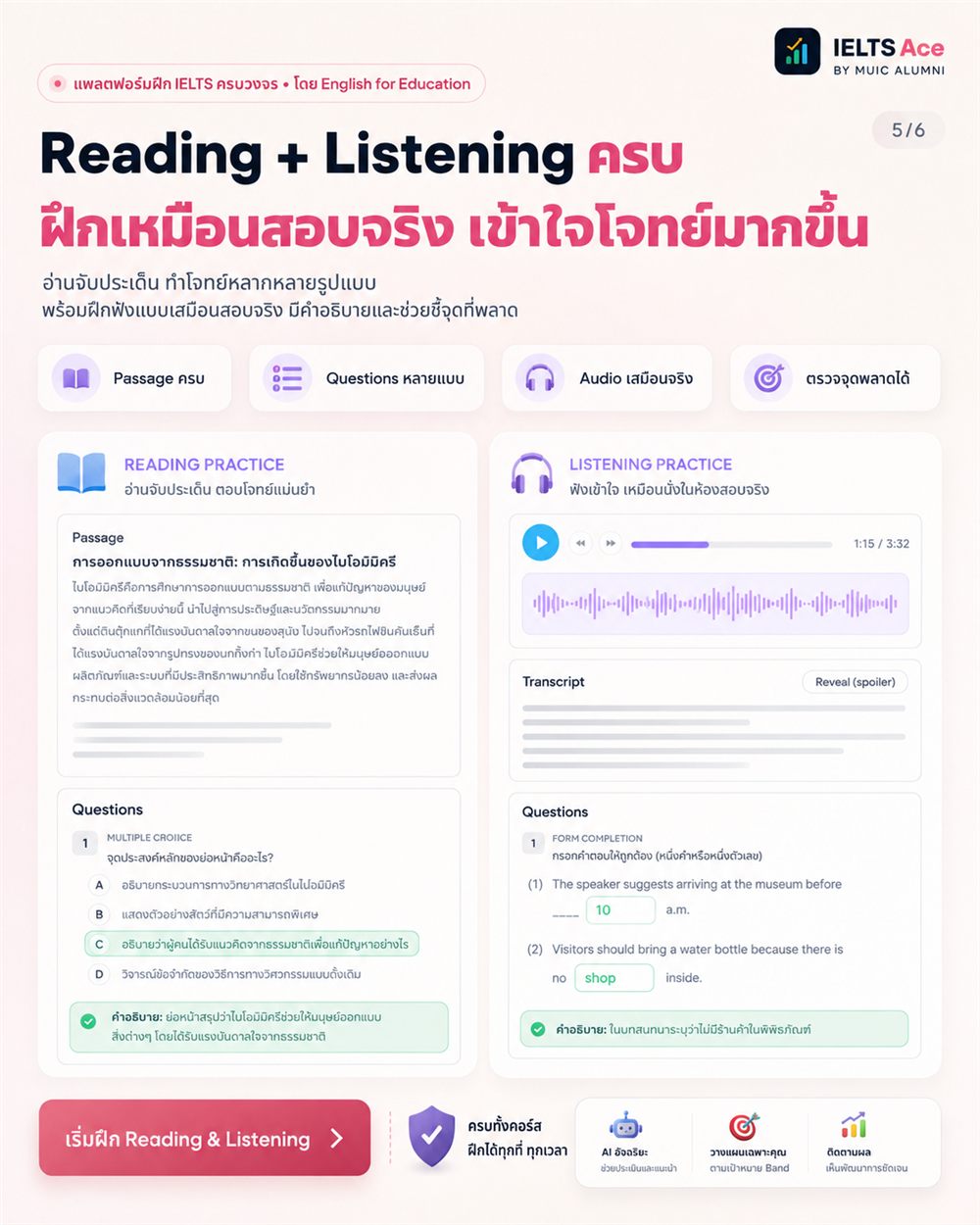
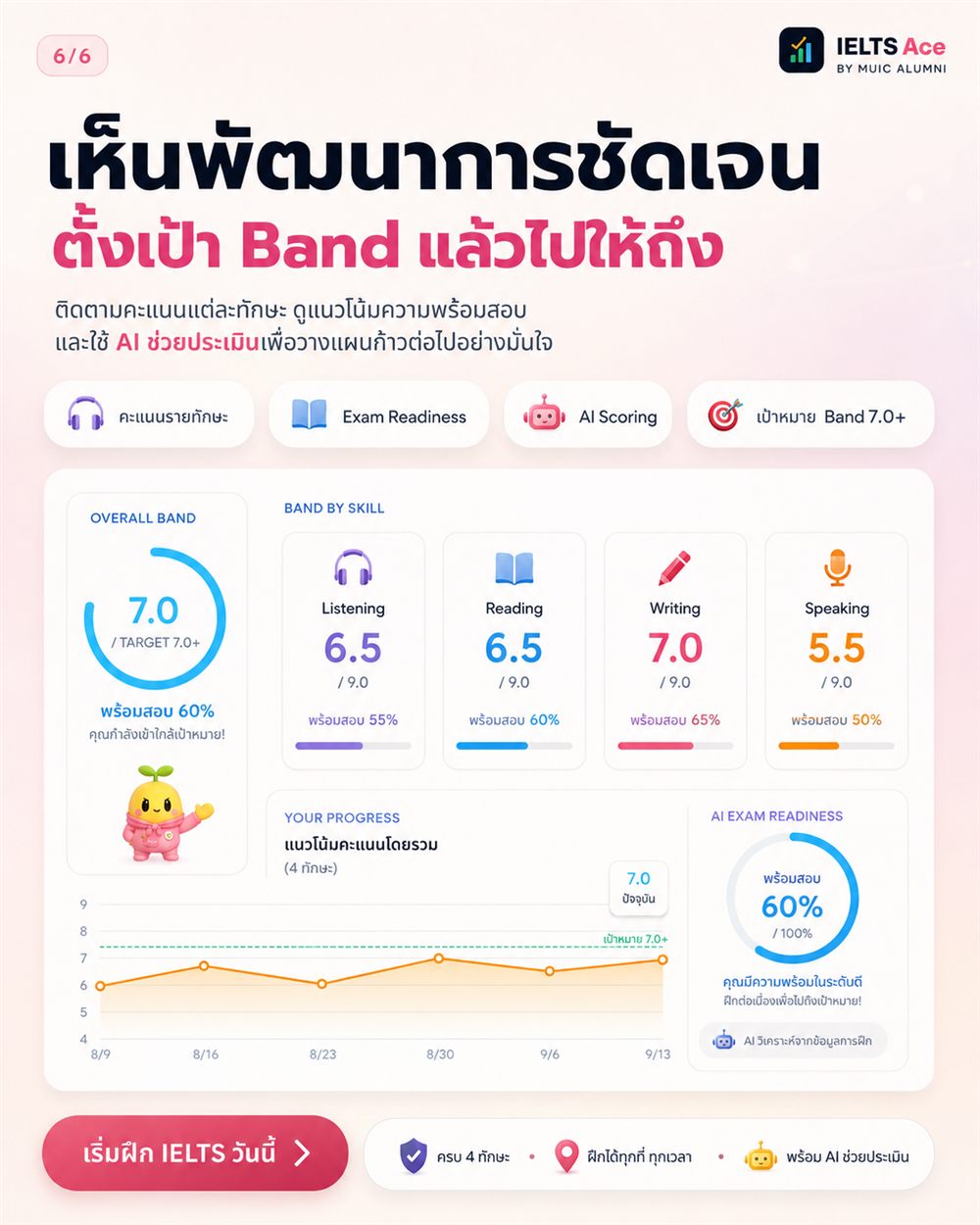

Turn the guide into a concrete study plan with free practice, mock tasks and instant feedback.
Trusted by 3,000+ students nationwide · free to start, no card needed